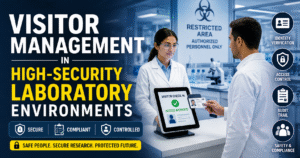
Laboratories play a critical role in educational institutions, research centers, healthcare facilities, and industrial organizations. These environments often contain sensitive research data, expensive equipment, hazardous materials, and confidential information. Protecting these valuable assets requires more than traditional lock-and-key solutions. This is where RFID and Biometric Lab Access Systems come into the picture.
Modern laboratories are increasingly adopting RFID and biometric technologies to improve security, streamline access management, and ensure compliance with industry regulations. By combining Radio Frequency Identification (RFID) with biometric authentication methods such as fingerprint recognition and facial recognition, organizations can create a secure and efficient access control environment.
In this article, we will explore the top benefits of RFID and Biometric Lab Access Systems and why they have become an essential component of modern laboratory security.
What Are RFID and Biometric Lab Access Systems?
RFID and Biometric Lab Access Systems are advanced security solutions designed to control and monitor access to laboratories and restricted areas.
RFID technology uses smart cards, access tags, or key fobs that communicate wirelessly with readers to verify user credentials. Biometric systems use unique physical characteristics such as fingerprints, facial features, or iris patterns to authenticate users.
When combined, RFID and biometric authentication provide a highly secure access control system that ensures only authorized personnel can enter sensitive laboratory environments.
Enhanced Security for Laboratories
One of the most important benefits of RFID and Biometric Lab Access Systems is enhanced security. Traditional keys can be lost, duplicated, or stolen, creating security vulnerabilities.
Biometric authentication adds an extra layer of protection because fingerprints and facial features are unique to each individual. Even if an RFID card is misplaced, unauthorized access can be prevented through biometric verification.
This significantly reduces the risk of unauthorized entry and protects laboratory assets.
Accurate User Identification
Laboratory security depends on knowing exactly who is entering restricted areas. RFID and Biometric Lab Access Systems eliminate the possibility of unauthorized users borrowing access cards from others.
Fingerprint and facial recognition technologies ensure that only the registered individual can gain entry. This level of accuracy improves accountability and strengthens overall security management.
Access Tracking and Audit Trails
Modern laboratories require detailed records of personnel movement for security and compliance purposes.
RFID and Biometric Lab Access Systems automatically generate logs that record:
- User identity
- Entry time
- Exit time
- Access location
- Failed access attempts
These audit trails help administrators monitor laboratory usage and investigate security incidents when necessary.
Reduced Administrative Work
Managing physical keys and manual access records can be time-consuming. RFID and biometric systems simplify administration by allowing security personnel to manage access permissions digitally.
Administrators can:
- Add new users instantly
- Revoke access rights remotely
- Update permissions in real time
- Generate automated reports
This reduces administrative burden and improves operational efficiency.
Protection of Valuable Laboratory Equipment
Laboratories often contain expensive instruments and research equipment worth thousands of dollars. Unauthorized access can lead to theft, misuse, or accidental damage.
By implementing RFID and Biometric Lab Access Systems, organizations can restrict equipment access to authorized personnel only. This helps protect valuable assets and reduces financial losses.
Regulatory Compliance Support
Many industries, including healthcare, pharmaceuticals, biotechnology, and research institutions, must comply with strict security regulations.
RFID and Biometric Lab Access Systems help organizations maintain compliance by:
- Recording access activities
- Creating audit trails
- Restricting unauthorized access
- Supporting security audits
These features make regulatory reporting easier and more reliable.
For industry standards and security guidelines, organizations can refer to resources such as RFID Journal and NIST Biometrics Research.
Faster and Contactless Access
Modern laboratories require quick and efficient access without compromising security.
RFID cards provide instant authentication with a simple tap, while advanced biometric scanners verify identities within seconds. This creates a smooth and contactless entry process for staff and researchers.
Faster access improves productivity and minimizes delays during busy working hours.
Real-Time Monitoring and Alerts
One of the most valuable features of RFID and Biometric Lab Access Systems is real-time monitoring.
Security teams can receive instant alerts for:
- Unauthorized access attempts
- Forced door openings
- Suspicious activities
- Repeated authentication failures
Real-time notifications allow security personnel to respond quickly and prevent potential security breaches.
Customizable Access Permissions
Not every laboratory user requires the same level of access.
RFID and biometric systems allow administrators to create role-based access permissions for:
- Students
- Researchers
- Faculty members
- Laboratory technicians
- Maintenance staff
- Visitors
This ensures that individuals can only access the areas necessary for their responsibilities.
Scalability for Future Growth
As organizations grow, laboratory security requirements also evolve.
RFID and Biometric Lab Access Systems are highly scalable and can accommodate additional users, access points, and facilities without major infrastructure changes.
This flexibility makes them a cost-effective long-term investment for educational institutions and research organizations.
Conclusion
Implementing RFID and Biometric Lab Access Systems is one of the most effective ways to improve laboratory security and operational efficiency. These systems provide accurate authentication, detailed access tracking, real-time monitoring, and regulatory compliance support while protecting valuable equipment and sensitive research data.
As laboratories continue to adopt smart security technologies, RFID and biometric access control solutions are becoming essential tools for creating secure, efficient, and future-ready research environments.